Aromatherapy has been around for thousands of years, but modern science has given us a much clearer understanding of what essential oils are, why plants produce them, and how they can influence our bodies and minds. There is a growing body of scientific research showing that essential oils can have significant effects on mood, stress levels, sleep quality, pain perception and some aspects of physical wellbeing. Understanding aromatherapy sicence helps explain why essential oils are effective and why different oils have different benefits.
The 3 aspects of aromatherapy science
There are 3 different scientific aspects that are relevant to understanding the science of essential oils:
- The biology of the plants we extract the oils from
- The chemistry of the extracted oils
- The biochemistry of how the oils affect us
1. Aromatherapy science starts with essential oils in plants
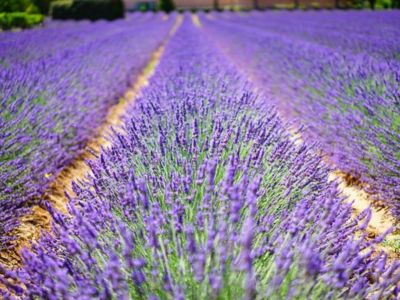
Essential oils are not actually “oils” in the same way as olive or sunflower oil for example. They are concentrated mixtures of volatile (easily evaporated) compounds that plants produce as part of their normal biology. Specialised cells within the plant make these compounds and they are stored in structures such as:
- Tiny oil glands in the leaves (examples are lavender and eucalyptus)
- Glandular hairs on the surface of leaves and flowers (eg peppermint)
- Resin canals in wood and bark (eg sandalwood)
- Secretory cells within roots or seeds (eg ginger)
- Oil sacs within citrus fruit peels
Each plant species has evolved its own unique blend of these compounds over millions of years.
Why do plants make essential oils?
Plants can’t run away from predators or move to find better conditions, so they rely on chemistry to survive. The compounds in their essential oils perform many important jobs, including:
- Discouraging insects and grazing animals
- Protecting against bacteria, fungi and viruses
- Helping wounds heal after damage
- Attracting pollinating insects
- Communicating with neighbouring plants
- Reducing damage from environmental stresses such as heat and UV light
In summary, essential oils are part of a plant’s natural defence and communication system. Many of these same molecules that help protect plants also interact with biological systems in humans.
Extraction of the oils
The aim of extraction is to capture these volatile compounds while preserving their natural balance.
The most common method is steam distillation. Steam passes through the plant material, carrying the aromatic molecules with it. The vapour is then cooled back into liquid, where the essential oil naturally separates from the water.
Some plants can’t tolerate the heat of steam distillation. Citrus oils, for example, are usually obtained by cold pressing, where the oil is mechanically squeezed from the peel.
A few delicate flowers, such as jasmine, produce fragrances that are too fragile for distillation. These are extracted using solvents or modern methods such as carbon dioxide (CO₂) extraction. Depending on the process, these products may be called absolutes or CO₂ extracts rather than essential oils.
2. The chemistry of the essential oils we extract
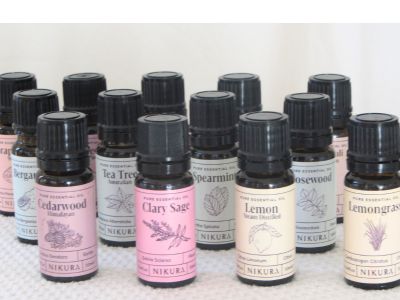
One of the biggest misconceptions about essential oils is that each oil is a single substance. In reality, every essential oil contains dozens—and often hundreds—of different naturally occurring chemical compounds. For example, lavender essential oil contains compounds including linalool, linalyl acetate, lavandulol, terpinen-4-ol, and many others. Peppermint contains menthol, menthone, menthyl acetate and a range of additional compounds. Each compound has its own chemical structure and its own biological activity. Scientists group these compounds into families with similar characteristics. Some common ones of these are:
Esters: For example, linalyl acetate (abundant in lavender) has calming, sedative, and anti-inflammatory effects
Monoterpenes: Compounds like limonene (found in citrus oils) have uplifting, antiviral, and antioxidant properties.
Phenols: Ofen provide aggressive antibacterial and immune-boosting properties.
Different chemical families tend to have different characteristics. Some are associated with fresh, uplifting aromas, while others are more calming or grounding. Some contribute to cooling sensations, while others have antimicrobial or anti-inflammatory properties. This complexity is one reason why each essential oil has its own distinctive aroma and therapeutic profile.
3. The science of how essential oils affect the body
The third aspect of aromatherapy science is how the compounds within essential oils enter the body and benefit us. This happens through two main pathways: the nose and the skin.
Inhalation
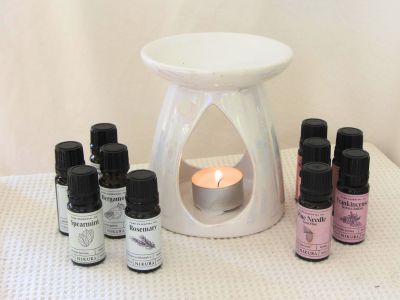
As you inhale an essential oil, tiny airborne molecules travel into the nasal cavity where they bind to specialised smell receptors. These receptors send signals directly to the brain’s olfactory bulb.
Through the skin
During massage, some of the smaller aromatic molecules pass through the outer layers of the skin. From there they can enter local tissues and, in small amounts, the bloodstream. Researchers have detected components of essential oils in blood samples following topical application, confirming that absorption does occur. The amount absorbed depends on many factors, including the chemical properties of the compounds, the area of skin treated, the concentration used, massage technique and the length of exposure.
Interacting with the body
Once absorbed or inhaled, essential oil compounds may interact with receptors throughout the body. Ways they can influence our mind and body include:
Neurotransmitters, mood and relaxation
Neurotransmitters are the chemical messengers that allow nerve cells to communicate with one another. They help regulate our mood, emotions, sleep, memory and stress responses.
Research has shown that some essential oil components can influence neurotransmitter systems associated with relaxation and wellbeing. For example, compounds such as linalool, found in lavender, have been studied for their effects on the GABA (gamma-aminobutyric acid) system. GABA is the brain’s main inhibitory neurotransmitter, helping to reduce excessive nerve activity and promote feelings of calm and comfort.
The ability of the oils to influence these neurotransmitters helps explain why certain oils are consistently associated with reduced anxiety, improved mood and better sleep in clinical studies.
Pain relief
Pain is a sensation created by the nervous system after processing information from specialised pain receptors and the brain.
Some essential oil compounds have been shown to interact with receptors involved in pain signalling. For example, menthol activates cold-sensitive TRPM8 receptors, producing the familiar cooling sensation that can temporarily reduce the perception of pain. Other compounds, such as eugenol from clove or eucalyptus, have mild local anaesthetic properties and have long been used in dentistry to relieve tooth pain. Massage itself can reduce pain by stimulating touch receptors and encouraging the release of the body’s own natural pain-relieving chemicals. Combining massage with essential oils complements these effects.
Inflammation
Inflammation is a normal part of the body’s healing process, helping to fight infection and repair damaged tissue. However, excessive or prolonged inflammation can contribute to pain and many chronic health conditions. Laboratory research has shown that some essential oil compounds can influence inflammatory pathways by reducing the production of signalling molecules known as cytokines or by affecting enzymes involved in the inflammatory response, such as cyclooxygenase (COX). Examples include compounds found in frankincense, German chamomile and tea tree.
Muscle tension
Muscle tension often develops in response to stress, overuse or injury. Relaxing tense muscles can reduce discomfort and improve movement. Massage is highly effective at easing muscle tension through mechanical effects on muscles and connective tissue. Certain essential oils enhance this experience by providing mild analgesic, anti-inflammatory or calming effects that encourage muscles to relax. Some compounds also appear to influence calcium movement within muscle cells or reduce the sensitivity of pain receptors, although this area of research is still developing. The combination of massage and essential oils provides additional benefits compared to massage alone.
The autonomic nervous system
Many of aromatherapy’s best-studied effects involve the autonomic nervous system—the part of the nervous system that automatically controls functions such as heart rate, breathing, blood pressure and digestion. The autonomic nervous system has two main branches. The sympathetic nervous system prepares the body for action during times of stress, increasing heart rate and alertness. The parasympathetic nervous system promotes rest, recovery and digestion once the stress has passed. Studies have shown that inhaling certain essential oils can influence this balance. For example, several human studies have found that inhalation of bergamot essential oil can reduce physiological markers of stress, including heart rate, blood pressure and salivary cortisol, while increasing feelings of relaxation.. These physiological changes support the idea that aromatherapy may help the body shift from a state of heightened stress towards one of relaxation and recovery, particularly when combined with therapeutic touch and a calming environment.
Aromatherapy science shows us that it’s not really about the aroma
The term aromatherapy was coined in the 1920s by French chemist René-Maurice Gattefossé after he discovered the healing and antibacterial properties of lavender oil on a severe chemical burn. But it’s a little misleading, because the therapeutic benefits aren’t really down to the aromas. While pleasant aromas can be soothing and calming, we experience the real benefits once the volatile compounds have entered our bodies, either through inhalation or absorption through the skin.
Future research into aromatherapy science
Research into aromatherapy science is continuing to develop. Future studies are likely to look more closely at how individual essential oil constituents interact with specific receptors, neurotransmitters and biological pathways, as well as how the many compounds within a whole essential oil work together. Researchers are also investigating how factors such as dosage, method of use, absorption and individual differences influence the effects of aromatherapy. More high-quality clinical trials are needed to evaluate these factors. This growing research may help us use essential oils even more safely, precisely and effectively.
Aromatherapy massage
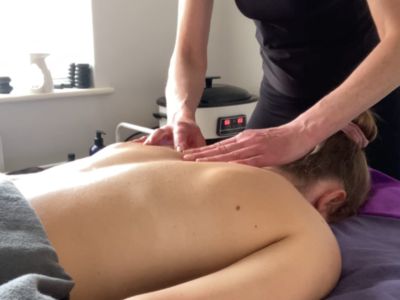
I offer aromatherapy as an upgrade to my standard massage services. This includes a blend of essential oils to suit your needs, which is both vaporised in the room and added to the massage oil. Any treatment, apart from facials can have aromatherapy included. The cost is an extra £3 in addition to the regular price.
Book an aromatherapy massage
Fill out the booking enquiry form below. You can see my working hours and upcoming availability here. If you want to know availability further ahead than what is shown, let me know on the form when you would be interested in booking for and I’ll get back to you.
Body Benefits Chelmsford




